
Interview Organization 101: What to Prep, Print, Pack, and Plan Ahead Of Time

As Seen In:





The interview invitation is in your inbox, and you’ve got a date on the calendar.
The difference between a good interview and a great one often comes down to preparation. Not just practicing answers to common interview questions, but thinking through the practical details so you can focus on the conversation itself. When you’ve handled the logistics ahead of time, you’re free to be fully present during the actual interview.
At ResumeSpice, we’ve been on both sides of the interview table, and we’ve seen how much smoother the interview process goes when job seekers have thought through the practical stuff beforehand. Here’s how to get organized so you can show up ready to have a real conversation about whether this role makes sense for both of you.
Key Takeaways
Organization frees you to focus on the conversation instead of logistics
Prep work—researching interviewers, organizing your stories, testing your setup—builds real confidence
Printed materials keep you grounded when nerves hit or technology fails
Why Getting Organized Before Your Job Interview Helps You Stand Out
When you’re interviewing for a competitive position, the small logistics matter more than you might think. Not because hiring managers are scoring you on whether you remembered a pen, but because when the practical stuff is handled, you show up differently.
Think about the last time you had an important conversation while distracted by something else—trying to find a document, troubleshooting tech issues, or mentally scrambling to remember a detail. Hard to be fully present, right? Interviews are the same. When you’re not worried about the Zoom link or digging through your memory for a specific metric, you can actually focus on the conversation. You listen more carefully, respond more thoughtfully, pick up on what the interviewer actually cares about, and let your personality come through naturally.
That’s what organization buys you—the mental space to focus on showing them who you are, how you think, and whether this role is genuinely the right fit.
🔶Tip: If you’re juggling multiple interviews, check out our guide on How to Stay Organized During a Job Search: Systems That Reduce Stress and Get Results for ways to keep everything straight.

What to Prep and Plan Ahead of Your Interview
Research the People You’ll Be Talking To
Beyond reading the company’s website and the job description, look up your interviewers on LinkedIn. What’s their background? How long have they been with the company? What do they seem to care about based on what they share or post? If you’re meeting with a panel of multiple interviewers, understanding each person’s role helps you connect with what matters to them.
This interview research is about seeing them as real people you’re genuinely curious about, not just gatekeepers. Look for employee reviews on sites like Glassdoor to get insights from current and former employees about what it’s actually like to work there. This gives you a better understanding of the company culture and helps you prepare thoughtful questions.
Get Your Key Stories Ready
Think about 4-5 accomplishments from your background that highlight different skills—leadership, problem-solving, collaboration, handling difficult situations. Write them out using the STAR format (Situation, Task, Action, Result) with real numbers and details that provide context, then practice saying them out loud until they feel conversational.
These become your go-to examples. Whatever question comes up during the actual interview, you’ll have something relevant ready. This interview plan helps you answer questions confidently even when nerves hit.
🔶Tip: For detailed guidance on building strong STAR-format answers and preparing for behavioral questions, check out: How to Prepare for a Behavioral Interview: STAR Method, Common Questions, and Expert Tips
Prepare Questions That Show Real Interest
Instead of generic interview questions like “What’s the culture like here?”, prepare questions about things you genuinely want to know. Maybe it’s a specific challenge you read about in the job description, a recent company announcement that caught your attention, or how they measure success in this position. Good questions show you’ve done your homework and you’re thinking about what it would actually be like to work there and how this role fits your career goals.
A general rule: prepare 5-7 thoughtful questions. You probably won’t ask all of them (some will get answered naturally during the conversation), but having them ready means you won’t forget the important ones.
🔶 Tip: Wondering about the line between prepared and over-prepared? Here’s our perspective: Is It Possible to Over-Prepare for a Job Interview?
Consider a Mock Interview
If you’re interviewing for a particularly important role or if it’s been a while since your last interview, a mock interview with a friend, mentor, or career coach can be helpful. Practice answering common interview questions out loud and get feedback on your body language, how you answer questions, and whether your responses provide enough context. There’s a real difference between thinking through answers in your head and saying them out loud in conversation. A mock interview helps close that gap before the actual interview.
Test Your Tech Setup
For virtual interviews:
Test your camera, microphone, lighting, and internet connection the day before
Log into the meeting link ahead of time to make sure it works
Have a backup plan ready (phone hotspot, different device)
Position your camera at eye level so you’re looking directly at the interviewer
Check what’s visible in your background—make sure the interview room or space looks professional and isn’t distracting
For in-person interviews:
Map out your route and give yourself extra time for traffic, parking, or building security
Know exactly where you’re going, where you’ll park, and how long it actually takes to get there
Aim to arrive 10-15 minutes early—gives you time to compose yourself, and review your notes before your interview time
Plan Your Interview Outfit
Try on your complete interview outfit—including shoes—and make sure everything fits well, looks professional, and feels comfortable. Business attire expectations vary by industry and company, so do some research on what’s appropriate. When in doubt, dress slightly more formally than the company dress code. Check for any stains or wardrobe malfunctions. You want to feel confident in what you’re wearing, not distracted or uncomfortable. Lay out your perfect outfit the night before so you’re not making decisions in the morning.
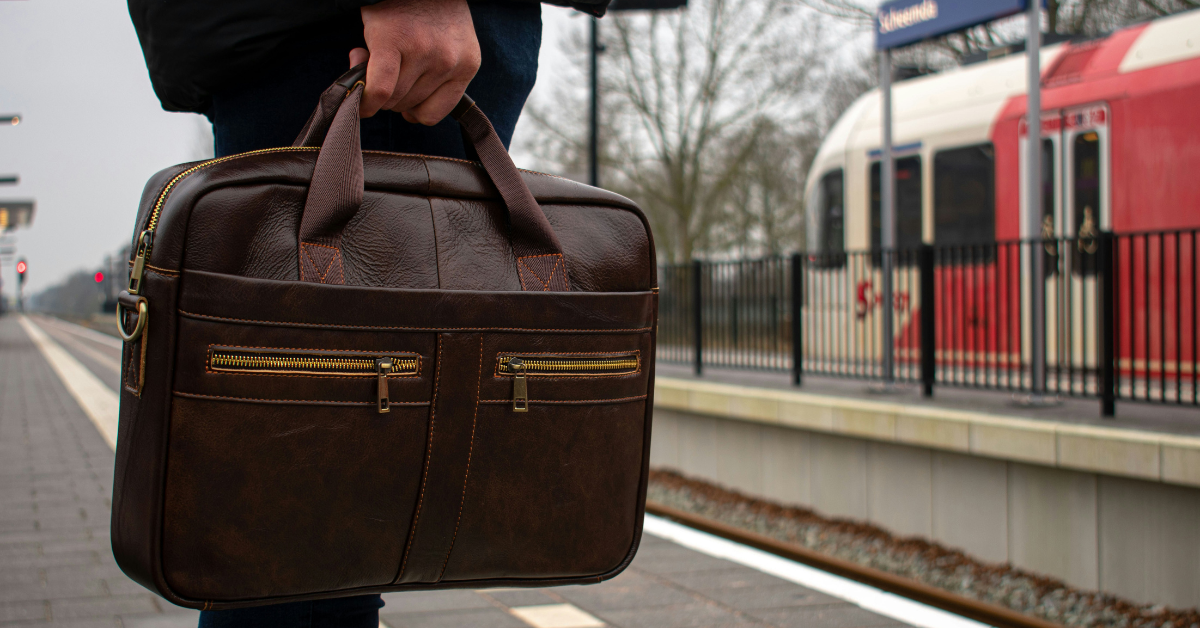
What to Print and Pack Before Your Job Interview
Multiple Copies of Your Resume
For in-person interviews, bring 5-7 copies of your resume even if the hiring manager and human resources team already have it. Sometimes multiple interviewers show up unexpectedly, or people forget to bring their copy. Having extras shows preparedness.
For virtual interviews, keep a printed copy next to you. It’s easier to glance at than switching between windows, and if your tech fails, you’ve still got your key points right in front of you. Print outs are also helpful for taking quick notes about which accomplishments you’ve already mentioned so you don’t repeat yourself with the next interviewer.
Your List of Prepared Questions
Write down your 5-7 questions to ask the interviewer. You probably won’t get through all of them, but having them written down means you won’t forget the important ones. Cross off questions as they get answered naturally during the interview process so you don’t ask something they’ve already covered.
Your Research Notes and Key Talking Points
Print out a copy of the job description with key requirements highlighted, along with any research notes you’ve gathered—recent company news, product launches, specific details you want to reference. Also print your STAR-format accomplishments with the important metrics highlighted.
These aren’t materials you’ll read from during the interview. They’re for review beforehand—while you’re waiting in the lobby for an in-person interview, or in the minutes before a virtual interview starts. During a virtual interview, you can keep them next to you for a quick glance if you need to reference a specific number or detail, but for in-person interviews, these essential items stay in your bag once you’re in the interview room. Their purpose is to keep you grounded and help you make connections between what the employer is looking for and what you’ve actually done.
A Notebook and Two Pens
Bring a clean notebook and a couple of working pens. Taking notes shows you’re engaged, plus it gives you material for thoughtful thank-you notes afterward. Jot down names (almost everyone forgets at least one interviewer’s name), key themes they mention, specific details about the role or team, and any insights they share. Good notes help you determine whether this is really the right opportunity and give you talking points for your next interview or follow-up conversations.
Speaking of notes, check out How to Send the Perfect Thank-You Letter Following an Interview (With Examples and Templates)
Contact Information and Directions
Save the interviewer’s contact information (name, phone number, email) and the company address somewhere you can access offline in case your phone dies or you lose internet connection. For virtual interviews, save the meeting link and any dial-in numbers. Having this information readily available reduces stress if technology doesn’t cooperate.
The Practical Stuff
Your ID if you’re going to a building with security or if you need to check in with human resources
Mints or gum to use beforehand (not during the interview)
Phone charger and backup battery if you’re traveling
A folder or professional portfolio to keep everything organized
Business cards if you have them (not essential, but can be helpful for senior positions)

The Night Before Your Job Interview: A Quick Final Check
Set everything out before you go to bed. Your interview outfit. Your printed materials. Your bag with all the essential items. Your devices charging. Review your key stories one more time and your interview plan, but don’t stress about cramming more interview preparation. Get some rest. Have something to eat before you head out.
You’re setting yourself up to walk in feeling ready. When you’ve taken care of the logistics, you can focus on what actually matters: having a real conversation about whether this opportunity is right for you and whether you’re right for them. That confidence comes through in your body language, your responses, and your overall presence.
Summary
Interview organization is about removing friction so you can focus on making a genuine connection during your job interview. When you’ve done the prep work—researched the company and the people, organized your stories, tested your tech, planned your interview outfit, and packed the right materials—you show up differently. You’re calmer, more present, and better able to answer interview questions thoughtfully.
The candidates who impress hiring managers aren’t necessarily the ones with the most impressive backgrounds. They’re the ones who come prepared, demonstrate real interest in the position, ask thoughtful questions, and have conversations that feel authentic. That kind of interview preparation pays off not just in getting the job offer, but in making sure the new job you accept is actually the right fit for your career.
Whether you’re preparing for your first interview in years or your next interview in a longer hiring process with multiple interviewers, taking time to get organized applies across the board. It helps you feel confident, perform better, and make decisions from a place of clarity.
Want Personalized Professional Help Preparing for Your Interview?
At ResumeSpice, we help job seekers prepare for interviews with personalized coaching on developing strong answers, practicing delivery, and building genuine confidence. Our Interview Preparation Help service includes one-on-one sessions, tailored preparation materials, and feedback to help you show up as your best self.
Ready to feel prepared? Reach out at 832.930.7378 or contact us online.
Q&A
Q: How early should I arrive for an in-person interview?
A: Arriving 10-15 minutes before your interview time works well. Arriving too early (like 30+ minutes) can actually create awkwardness—the hiring manager might not be ready, or you might be sitting in the interview room or lobby for a long time getting more nervous. If you get there super early, wait in your car or grab a coffee nearby to review your notes. Those final 10-15 minutes give you time to check in, use the restroom, and compose yourself without rushing.
Q: What should I do if I’m running late despite planning ahead?
A: Call or email the interviewer’s contact information immediately to let them know. Be straightforward about the situation (traffic, unexpected delay) and give them your best estimate of when you’ll arrive. Most hiring managers understand that almost everyone encounters unexpected issues sometimes. The key is communication—don’t just show up late without warning. If you’re more than 15-20 minutes late, offer to reschedule if that works better for their schedule.
Q: Should I bring the same materials to a virtual interview as I would to an in-person one?
A: Yes. Even though the interviewer can’t see most of what you have, keeping printed copies of your resume, your STAR stories, your research notes, and the job description next to you during a virtual interview helps you stay focused and prepared. If your technology fails or you need to quickly reference something, you’ve got it right there. Print outs are your backup plan and your confidence boost.
Q: What if I’m interviewing for a position in a casual industry—do I still need business attire?
A: It depends on the company culture, but a general rule is to dress appropriately for one level above the everyday dress code. Research the company through employee reviews or by checking photos on their social media to see what people typically wear. If you’re unsure, it’s better to be slightly overdressed than underdressed. You can always remove a jacket if you feel uncomfortable once you’re there, but you can’t add formality if you’ve dressed too casually. Your interview outfit should help you feel confident, not awkward.
Q: How can I prepare for questions I haven’t anticipated?
A: This is where your STAR-format stories become invaluable. When you have 4-5 well-prepared examples that showcase different skills, you can adapt them to answer all sorts of interview questions you didn’t specifically prepare for. If you get a question that catches you off-guard, it’s fine to take a moment to think. You can say something like “That’s a great question—let me think about the best example to share” rather than rushing into an answer. Interviewers appreciate thoughtful responses that provide context over quick answers that don’t really address what they’re asking.
Q: Should I take notes during the actual interview?
A: Yes. Taking brief notes shows you’re engaged and interested in what the interviewer is saying. It also helps you remember specific details for your thank-you note and for comparing multiple job opportunities later. Just keep your note-taking brief—you don’t want to spend so much time writing that you lose eye contact or miss important body language cues from the interviewer. Jot down names, key points about the role, important dates or next steps in the hiring process, and any specific projects or challenges they mention.
Q: What’s the best way to research a potential employer beyond their website?
A: Look at employee reviews on Glassdoor, Indeed, or similar sites to get perspectives from current and former employees. Check the company’s recent news coverage, press releases, and social media to understand what they’re focused on right now. Look up the people you’ll be interviewing with on LinkedIn to understand their backgrounds and what they might care about. If the company is public, review their recent earnings reports or investor updates. For positions in similar industries or at competitors, understanding the broader market context helps you ask better questions and position your skills more strategically.